

ESN’S
STRATEGIC PLAN
Where Futures Begin:
A Vision for the Next Decade
In the 2025-2026 academic year, Episcopal School of Nashville launched a comprehensive and inclusive strategic planning process to establish a long-term vision for the school’s future. Guided by a steering committee, the school engaged in research, environmental scans, SWOT analyses, and exercises informed by trends in independent and broader educational sectors.
To support this effort, the school partnered with Ian Symmonds & Associates, a research and planning firm. Together, they conducted a series of collaborative exercises to identify and prioritize key strategic areas based on research findings.
By the Spring of 2026, the process culminated in a focused set of strategic priorities. The steering committee then expanded each priority into specific initiatives and corresponding action plans, organized in a sequenced framework.
This page outlines those strategic initiatives and action plans. Each includes early stage implementation details, such as estimated costs, that will be further developed as the school moves into the execution phase of its strategic plan.
-
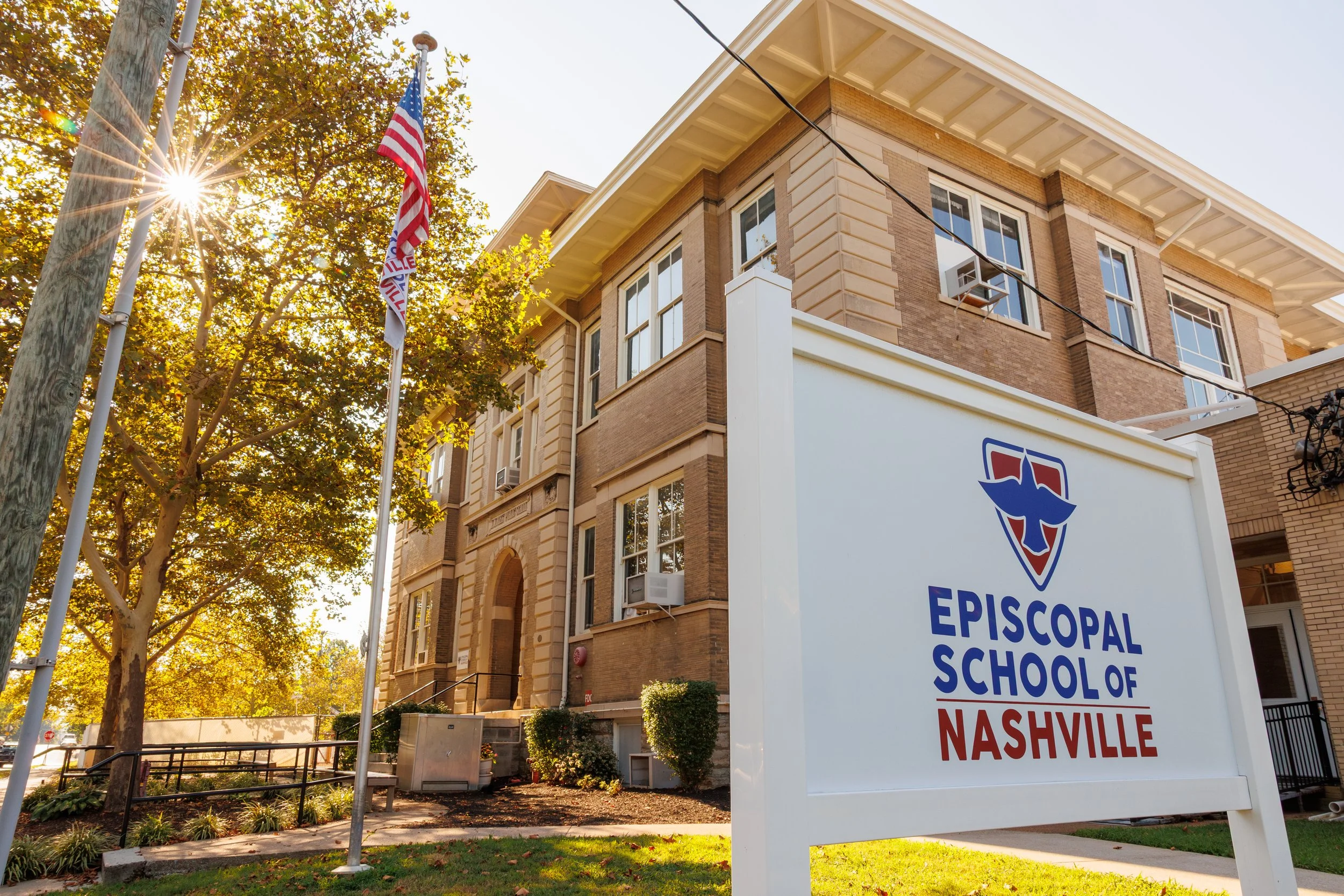
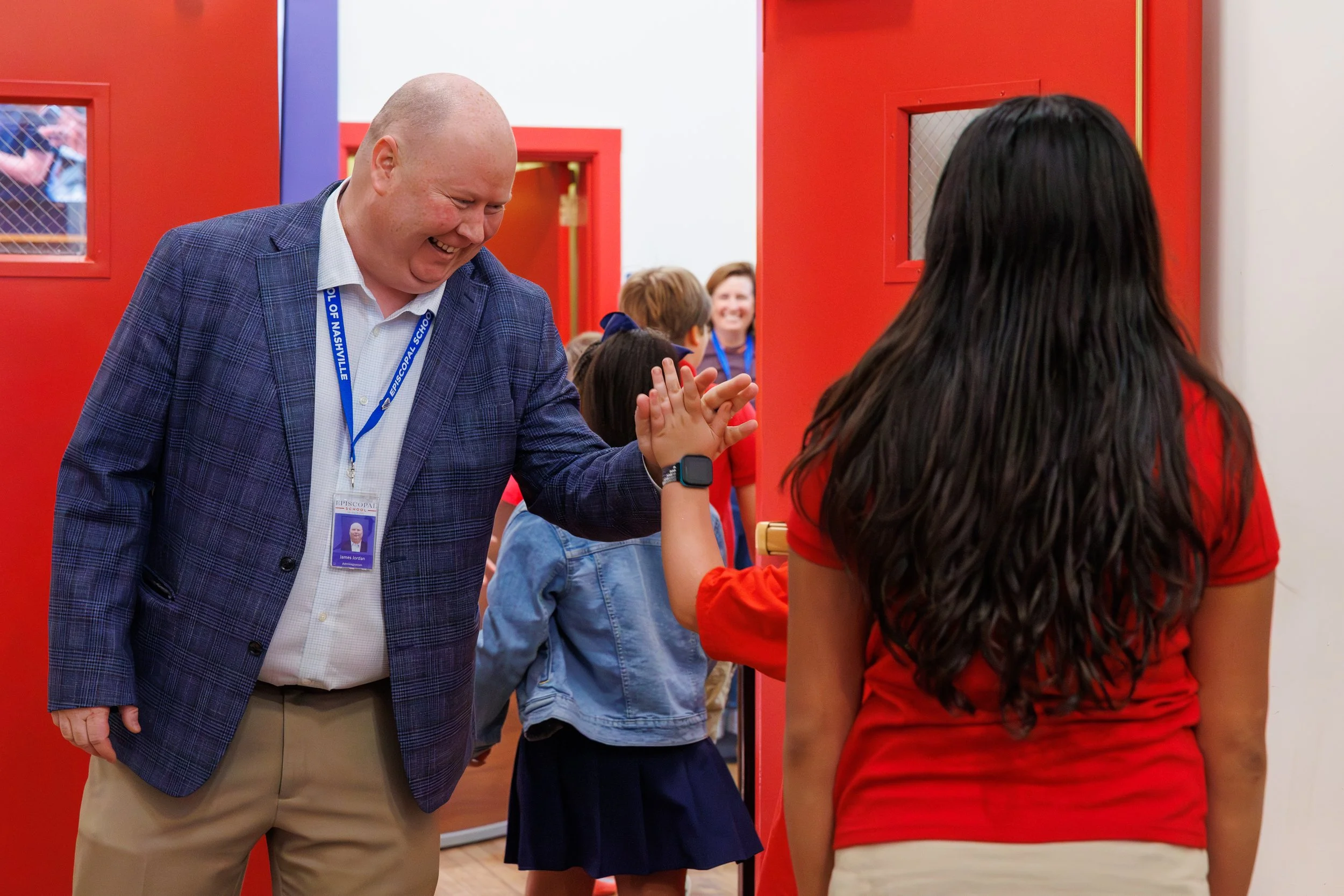
Episcopal School of Nashville is a diverse, urban, and independent school dedicated to nurturing the joy of learning and the spirit of discovery in each of our students.
-
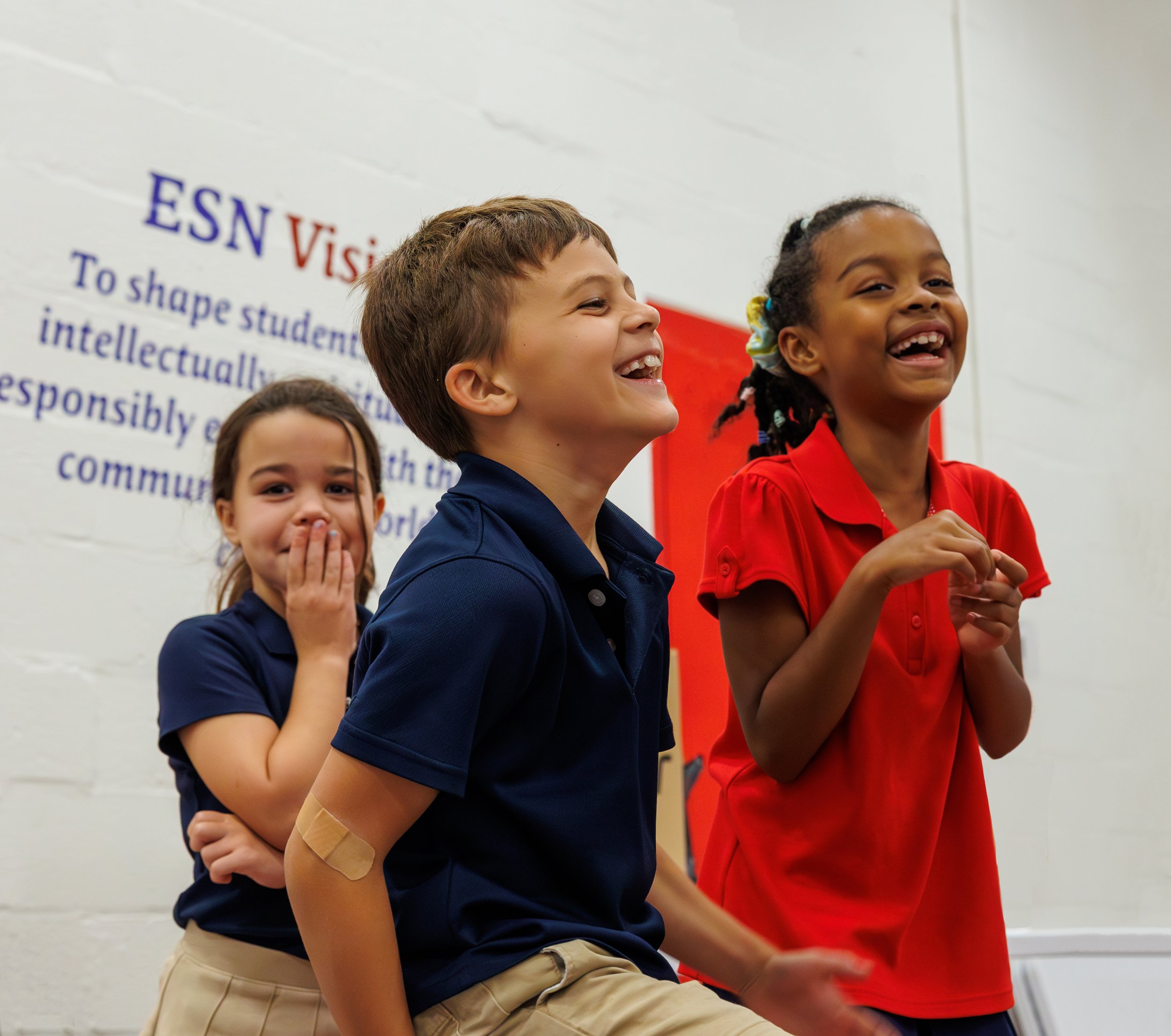
To shape students who are intellectually, spiritually, and responsibly engaged with the place, community, and world they call home.



GOAL ONE
Define the Distinctive ESN Experience
-
Further articulate and align the ESN educational journey from 3K through Grade 6, ensuring a coherent progression of academic, social-emotional, spiritual, and leadership development.
-
Deepen the integration of ESN’s Episcopal identity throughout the life of the school, strengthening its influence on relationships, service, learning, leadership, and community while remaining welcoming to families of all backgrounds.
-
Clarify and strengthen a shared philosophy of teaching and learning that promotes instructional excellence, academic consistency, meaningful relationships, engaging classroom experiences, and readiness for success in students' next schools and beyond.
-
Expand ESN’s relational, experiential, and place-based approach to learning, positioning East Nashville as a primary living classroom and strengthening meaningful connections between students and their community.
-
Establish a thoughtful and developmentally appropriate approach to technology that promotes creativity, discernment, responsible use, and healthy habits while preparing students for a rapidly changing world.
-
Strengthen signature experiences, traditions, and leadership opportunities at each grade level that reflect ESN’s mission, values, and educational philosophy.
-
Align curriculum, assessment, spiritual formation, and professional growth within a coherent educational framework that defines, strengthens, and communicates the distinctive ESN experience.
GOAL TWO
Strengthen Enrollment & Visibility
-
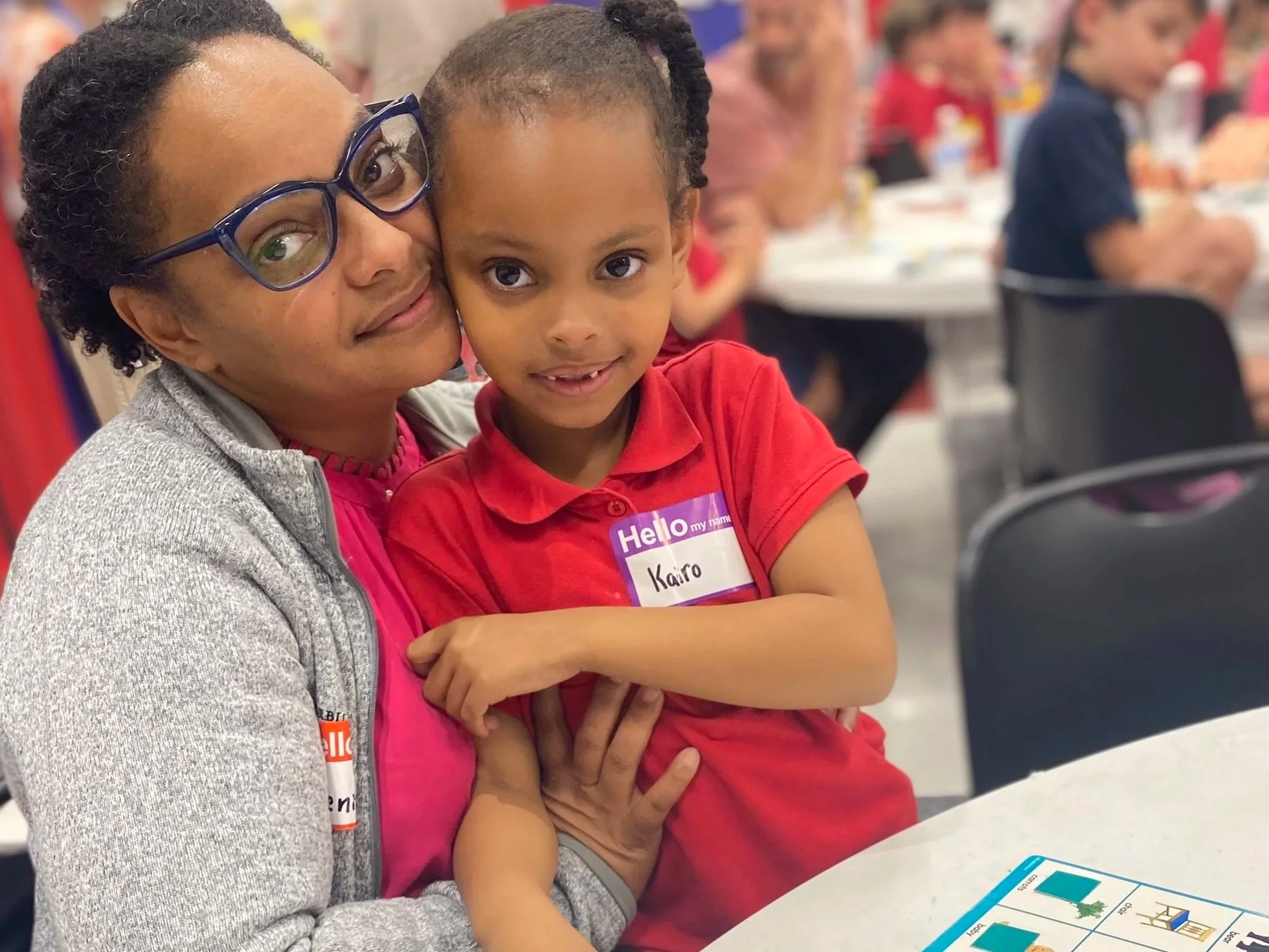
Refine and implement a comprehensive enrollment and retention strategy focused on increasing demand, strengthening conversion, and building long-term family confidence and commitment.
-
Further clarify and communicate ESN's distinctive value proposition and brand narrative, clearly differentiating the school within the Nashville independent school landscape.
-
Strengthen communication about student pathways, long-term outcomes, and the enduring value of an ESN education through alumni stories, student success, and graduate outcomes.
-
Prioritize growth in early childhood enrollment as a primary driver of long-term sustainability and institutional momentum.
-
Expand strategic partnerships that increase visibility, strengthen community connections, and support enrollment growth across East Nashville, Episcopal communities, and the broader Nashville area.
-
Expand targeted outreach and engagement efforts that connect ESN's mission and distinctiveness with prospective families across priority audiences.
-
Strengthen a culture of data-informed enrollment management that uses inquiry, retention, enrollment, and family engagement trends to guide strategic decision-making and long-term growth.
GOAL THREE
Invest In People & Leadership
-
Align coaching, onboarding, and professional growth practices to support educators at every stage of their careers and further strengthen instructional excellence across the school.
-
Build greater consistency, clarity, and accountability across systems, communication structures, and operational practices that support a mature, stable, and mission-aligned institution.
-
Continue strengthening a sustainable and competitive compensation and benefits strategy that attracts, retains, and supports mission-aligned faculty and staff.
-
Expand and clarify pathways for leadership development, mentorship, and professional advancement for teachers, assistant teachers, and emerging school leaders.
-
Strengthen faculty retention and long-term community commitment by investing in mentorship, collaboration, wellness, and professional support.
-
Strengthen organizational capacity, role clarity, and operational effectiveness to support sustainable growth, institutional resilience, and successful implementation of the school's strategic priorities.
-
Sustain and strengthen a relational school culture where students, families, faculty, and staff experience belonging, shared purpose, and deep connection to the mission of ESN.
-
Enhance onboarding, formation, and community-building experiences that help new families, employees, and trustees understand and engage with the school's values, traditions, and vision for the future.
GOAL FOUR
Strengthen Access & Institutional Sustainability
-
Strengthen and diversify ESN’s revenue model through enrollment growth, philanthropy, auxiliary programming, and long-term financial planning.
-
Advance a sustainable access and affordability model that expands opportunities for a diverse range of families while protecting the school's long-term financial health.
-
Reduce long-term dependency on annual fundraising by increasing enrollment-driven revenue, growing philanthropic support, strengthening reserve funds, and building a stronger endowment foundation that supports long-term mission fulfillment.
-
Align budgeting, staffing, and resource allocation decisions to strategic priorities, enrollment thresholds, and long-term sustainability goals.
-
Strengthen multi-year financial planning practices that support disciplined decision-making, organizational predictability, and long-term sustainability.
-
Continue building a student, faculty, staff, and board community that more closely reflects the diversity of greater Nashville and reinforces ESN’s mission and long-term relevance.
-
Identify and address structural, financial, and programmatic barriers that limit enrollment, retention, access, and long-term family engagement.
GOAL FIVE
Shape the Campus for Long-Term Growth
-
Refine and execute a phased and financially sustainable campus roadmap aligned to enrollment growth, program priorities, and long-term institutional identity.
-
Optimize and expand the current campus footprint to support near-term enrollment growth while preserving ESN’s relational and community-centered experience.
-
Strengthen a long-term capital and philanthropic strategy that supports campus development, endowment growth, and institutional sustainability.
-
Align future facilities planning, classroom expansion, and capital investments with enrollment demand, financial sustainability, and educational priorities.
-
Strengthen a comprehensive long-range planning framework that integrates facilities, enrollment, finance, and program development into one coordinated institutional strategy.
-
Explore future opportunities for expanded grade offerings or middle school growth only as enrollment demand, program readiness, financial sustainability, and facilities capacity support responsible expansion.
-
Position the ESN campus as a hub for student learning, community connection, and visible engagement within East Nashville and across the broader Nashville community.
-
Evaluate long-term campus occupancy and ownership opportunities that support institutional stability and future growth.